Amazon keeps 65 cents of a 99 cent book. Sell that book yourself and you keep over 80, plus the email address of everybody who bought it.
I build direct sales for romance, erotica and gore authors. Site, checkout, list, delivery, subscriptions. Then I run it, so you never have to.
And I build it on platforms that want you, which matters more than it sounds like it should.
Ask me something PricingGumroad gave its authors that. Itch.io gave none.
Your launch email goes out. It arrives. Your readers open it, click through, and the checkout doesn't work. You don't know why yet.
So you check your end. You check your billing. You message the platform. They put you on hold, look into your account, and tell you your kind of content is no longer monetizable there. You ask them to make an exception. They say they can't, because their payment processing partner comes first. This is just business.
Your launch money is locked and you can't get to it. Your readers keep clicking the button. They keep messaging you to say their payment won't go through.
That's the version I build against. Same direct sales setup everybody wants, put together so no single company can switch it off.
If you're already in the middle of one of these, say so in the first line and I'll move faster.
It has nothing to do with writing. You finish the draft. Then there's a cover, an ARC team, release week, the newsletter, promo swaps, and the next book already due.
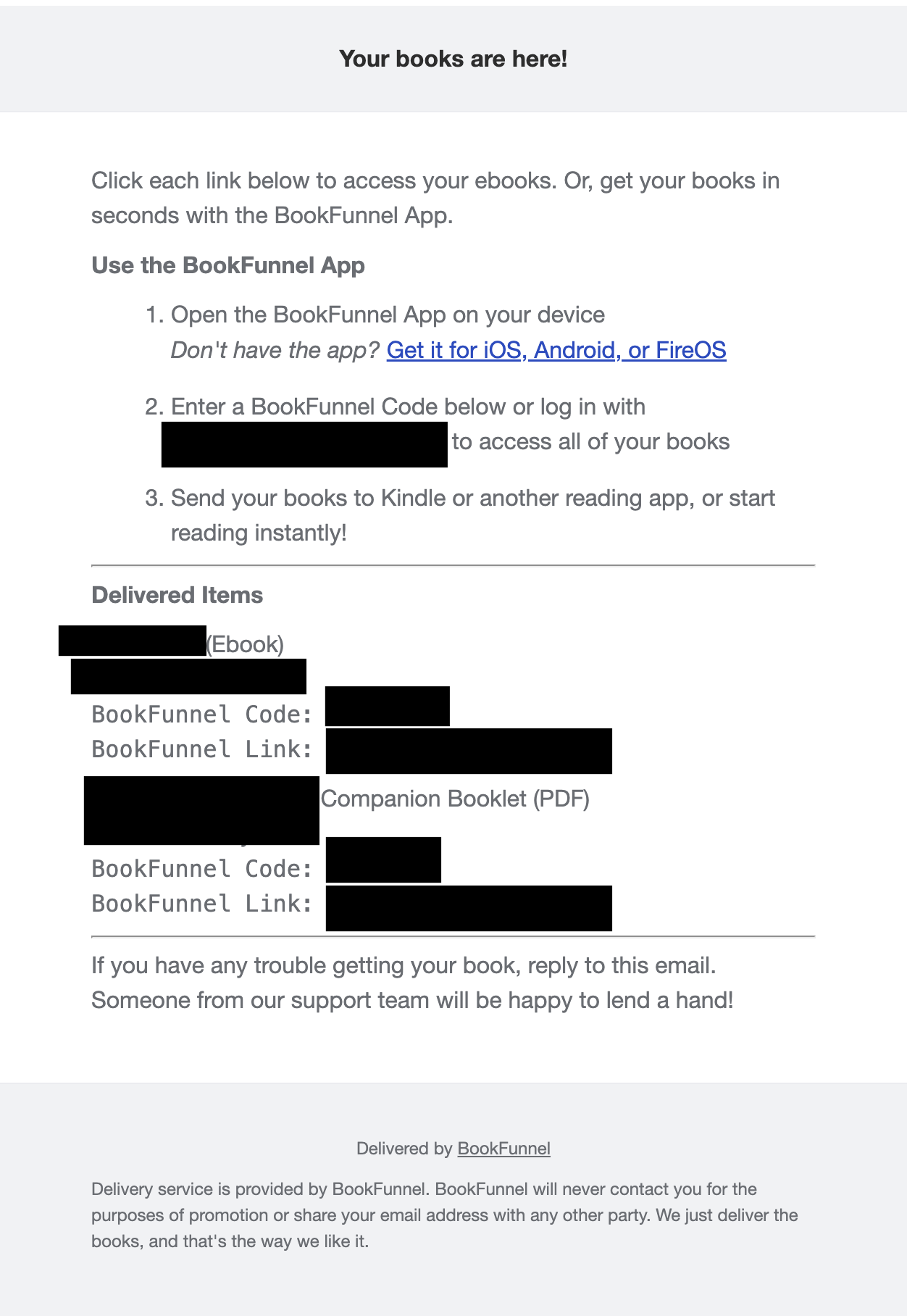
Then at eleven at night you're logged in checking whether your delivery links work. You set them up. You know you set them up right. You check anyway. Some nights you test one and assume the rest are fine, because you're tired and you don't like this part.
I wrote six books under a pen name and got tired of it too. So I built a system that publishes and runs itself. A quiz that scores readers, four email sequences that branch, a checkout that routes by country, delivery that goes out without me.
It does more than sell. It learns who my readers are, so I write better books for them, keep the ones I have, and find new ones.
Here's the thing most authors don't say out loud: you are running a business. And the most common mistake business owners make is holding on to the jobs they're worst at, either to save money or because handing work over feels like losing control.
You already know what you're good at. It's writing books. So why are you doing operations?
That was never your job. It's just that nobody else was going to do it.
Stripe's restricted business list includes literature. Not images. Literature, written out. Literature is targeted.
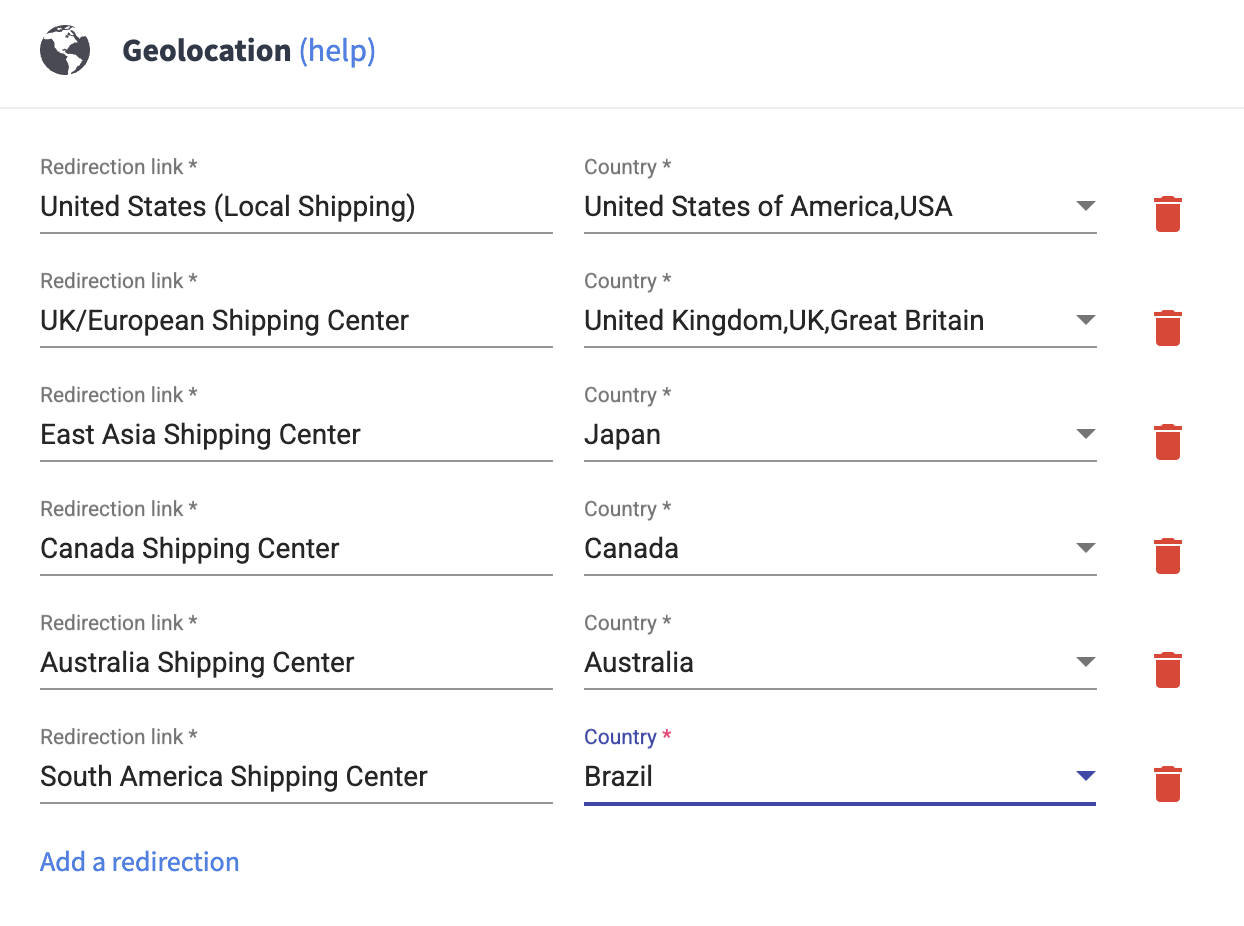
Almost every checkout you can sign up for yourself runs on Stripe or PayPal underneath. That means Gumroad, Payhip, Lemon Squeezy, Paddle and Ko-fi are essentially the same platform, because they answer to the same processor. Every publishing platform obeys the rules of its payment processor, because without one it doesn't exist.
Email platforms are no better. MailerLite, Klaviyo, Mailchimp, ActiveCampaign, Flodesk, beehiiv, SendGrid, Postmark. ActiveCampaign bans anything “suggestive.” Brevo goes out of its way to name graphic sexual text.
Hours of warning, no appeal, and money in transit when it happens.
Not sure how exposed you are? Take the Drop Test. Ten questions, about two minutes, and it tells you what happens to your books, your list and your money if one company decides it doesn't want what you write. No email needed to see your score.
Meta and Google won't sell you ads. Amazon flags books it decides are too adult and shadowbans them out of search without telling you. Processors file you under risk, somewhere near gambling.
None of it is about quality. Romance is the best selling genre in publishing and has been for years. Dark romance, romantasy, monster romance, MM, sapphic, why choose, all of it. Over a billion dollars a year in the US alone, written mostly by women, read mostly by women, and handled like an embarrassment by every company taking a cut.
Notice how the line actually works. A thriller can describe a killing in as much detail as it likes and no processor has ever held that author's money over it. Violence on its own is fine. Sex on its own is mostly fine. What sets them off is pleasure. A character who enjoys it. A scene framed as wanted instead of deplored.
That's why erotica and gore end up on the same restricted list, sorted there by people who have not read a page of either.
You already know all this. You've had a book you spent four months on get shadowbanned while something with a fraction of your readership sat on the front page.
Aftercare is what happens once the scene is over and someone stays to look after you. Banned, frozen, dropped, shadowbanned. That's the moment I'm for. I get you out, get you selling again, and make sure the next one can't do the same damage.
Price a book at 99 cents on Amazon and you keep 35 of them. Same at anything over $12.99. In between you're on 70% before delivery costs come off. Sell that book yourself and you keep somewhere north of 80%.
There's a catch. Card processing takes a flat 30 cents per sale on top of the percentage, and 30 cents hurts on a 99 cent book.
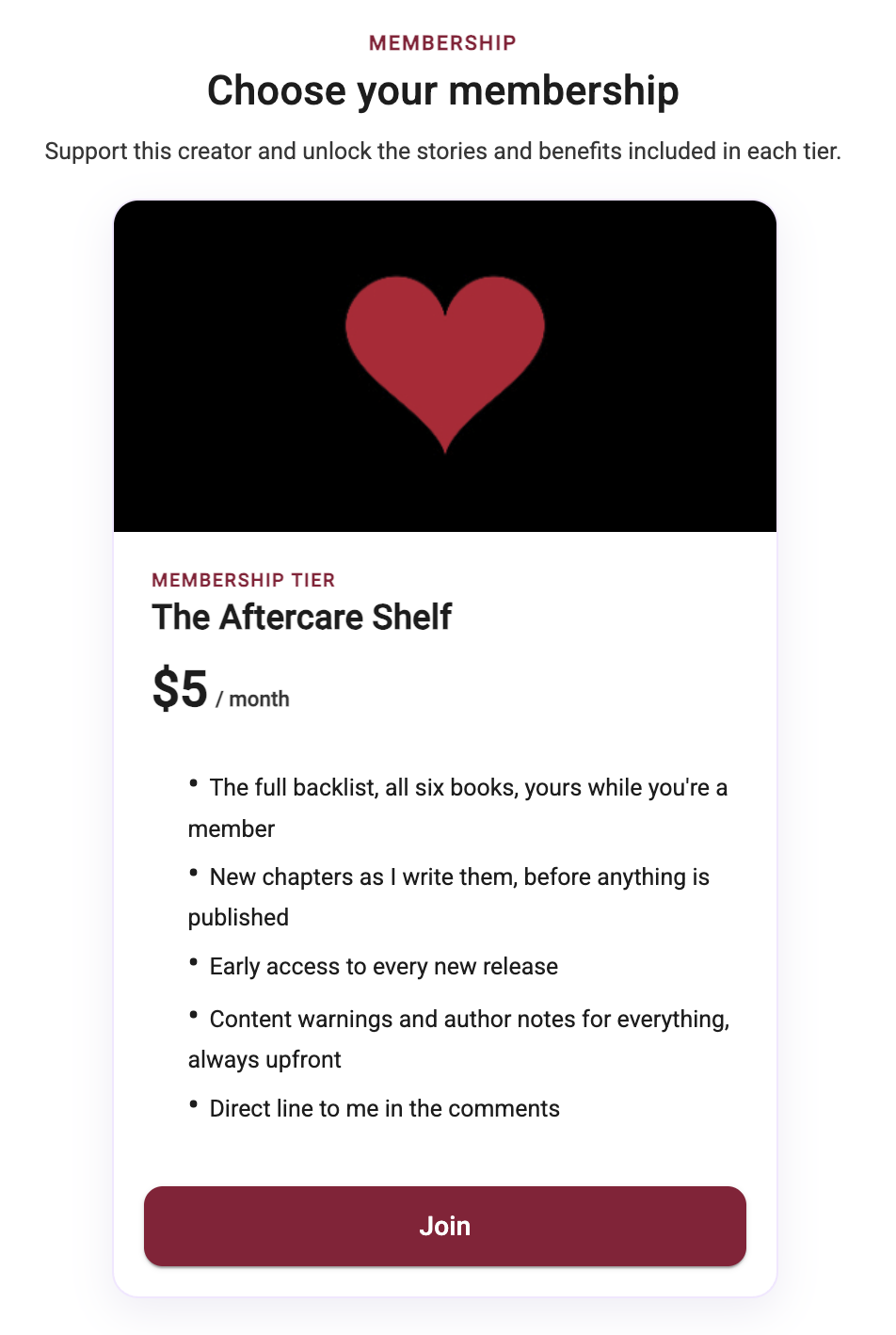
A reader paying you $5 a month pays that 30 cents once. The same reader buying five 99 cent shorts pays it five times.
That's why subscriptions are the best return you can get. Your readers don't read one book of yours. They read everything you've written, get attached to a character, and then wait for the next one. You're already on a release schedule to feed their new found love for your writing. None of that fits Amazon's model. All of it fits a direct one.
I'm not going to tell you to leave Amazon. Kindle Unlimited is highly profitable and Amazon finds readers you never could. Keep it. Add something next to it that stays stable while platforms keep changing their rules.
Your reader list is the one thing nobody can take from you. As long as you hold the email addresses of your buyers and your maybes, you can move to a different platform and recover. Lose the list and you start over.
Set up once, in your name, on things that permit what you write.
It's yours. Every account is in your name, every password is yours, and I'll walk you through all of it so you know exactly what you own. Most people never log in again. That's the point.
If you're already mid-emergency, the order changes. Your list and files come out first. Checkout goes up second. Everything else follows once you're selling again.
Running it afterwards costs you about $20 a month, plus what your printer charges per book and the cut your store takes on a sale. That's the whole bill. Agencies put you on their own software at ten times that and you never log into it once.
The build ends the day the watching starts. Not a separate decision. Just the next part.
First of every month you get a report. Not a status update. Actual reading:
What I don't do is write as you. The automatic emails are mine to build and run. The newsletter where you talk to your readers stays yours, because your voice is the reason they bought anything. Send me one you've written and I'll build it, test it across every mail client and send it for $75. Most authors send their own after the first one.
The report is worth more every month it runs. The first one is a summary. By month twelve it can tell you this is the third book where readers keep mentioning the same thing, and what happened to sales each time. You end up making decisions from your own data instead of from a feeling, which is how every other business on earth is run.
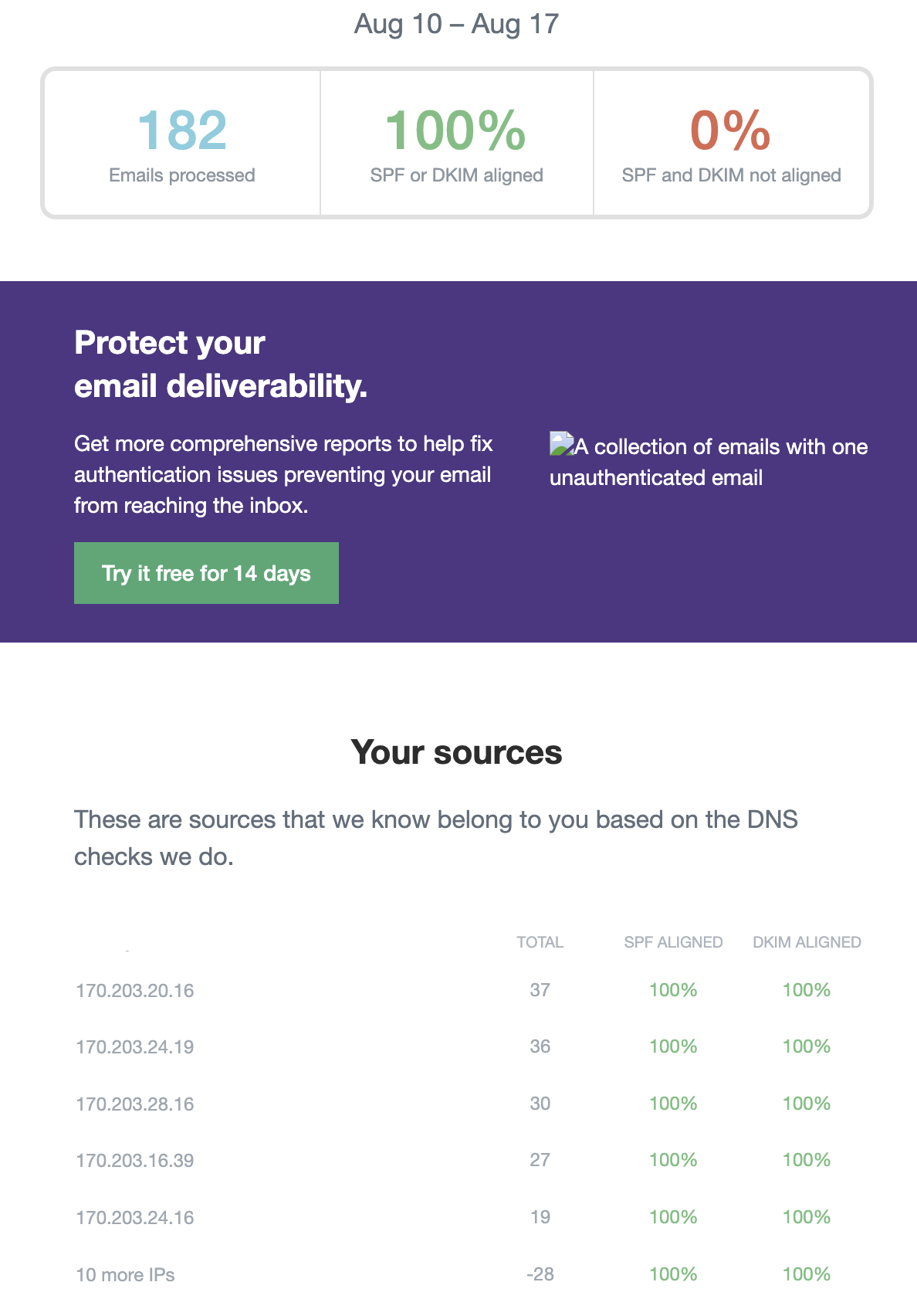
Underneath that, every week, I check the things that go wrong quietly. Whether your email is arriving in inboxes and not spam folders. The policy pages on every platform your money passes through, so when one rewrites a clause you hear it from me and not from a support email at two in the morning. Your buy links, delivery links, domain and checkout. And your list and files get copied somewhere you own.
Most of what I do you'll never see. I watch the things that break, fix them before you notice, and when something does show up in your inbox you forward it to me and it stops being yours.
What you should notice day to day is nothing. No dashboards, no decisions waiting on you, no tab open in the background reminding you something needs doing. Books go out, readers get them, money arrives. It should feel automatic to the point of feeling like magic, because that is the entire product.
This is my own setup, not a client's. I haven't taken on an author yet, and I'd rather show you the thing working than tell you it does.
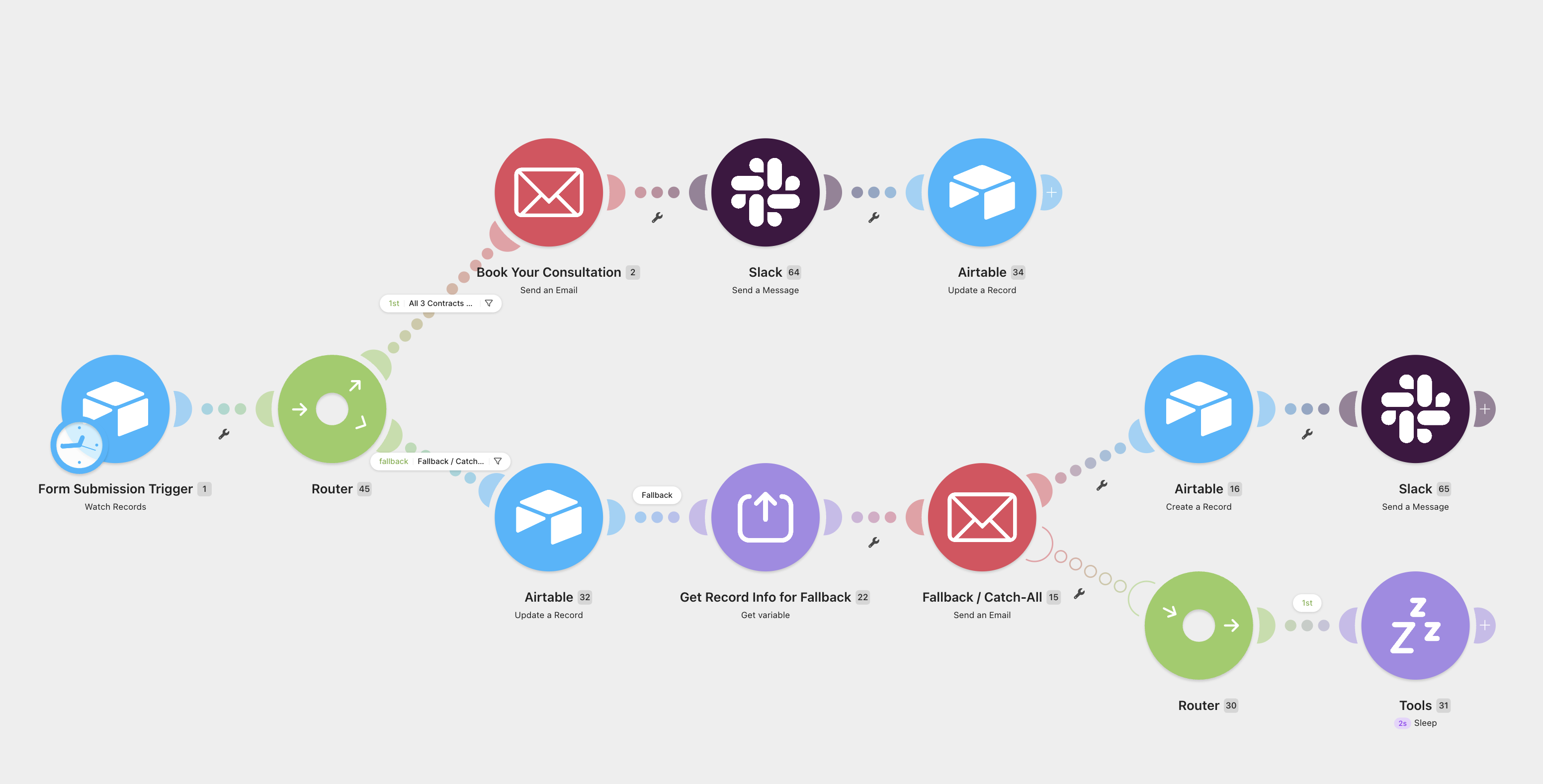
I'll do the same for you, in your name, with your branding, and hand it over working.
Two things. That's the whole list. Fixed price, quoted before anything starts, paid up front.
Everything above, built once and handed over working. In your name, on platforms that want what you write. Three titles are included and every book after that is $200, because each one is its own ISBN and its own upload. Most authors land between $2,000 and $4,000, and you'll have the exact number before you pay anything.
I run it. Weekly checks, anything broken fixed inside 24 hours, a report every month, and your new releases uploaded as they come. If a platform drops you while you're with me, the emergency move is included. That's the thing you're really buying.
It works by the date I give you, or I keep going at no extra cost until it does. You're not paying me to try.
The retainer is month to month. No year-long contract with someone you've just met, and you can start it later if you'd rather watch the build run on its own for a while first.
One build at a time and three authors on retainer. I don't quote hourly and I won't take a cut of your sales. If three weeks is too slow, a one-week rush starts at $5,000, because it means clearing my week for you. Say you're mid-emergency in the first line and I'll tell you honestly whether the rush is worth paying for.
One person. I'm Merilyn ♥
I've read the terms of service. Every payment processor, every email platform, every host in this space. The actual documents, not the marketing pages. I know which sentence in each one is the problem. Most people who'd happily take your money have never looked, and that's how authors end up frozen.
I'm an author, so I know the job from your side. Epub, mobi, PDF, audio, print files, bundles, box sets, ARCs, preorders. I know which format goes where, what breaks on a Kindle, and what a reader will and won't put up with before they give up and email you.
This isn't assistant work. An assistant does the tasks you hand them, which means you still have to know what the tasks are. I decide what your setup should be, build it, and own whether it holds. You don't brief me. You tell me what happened and I handle it.
I work with pen names. I don't ask who's behind one.
MM, FF, sapphic, BL, GL, omegaverse, why choose, reverse harem, monster and alien romance, dark romance, splatter and gore, horror, trans and poly romance. Any heat level. Any trope. If a platform has a problem with it, that problem is the thing I'm here to solve.
Mostly authors, but if you draw it or record it rather than write it you're still in the right place. Same processors, same bans, same build. Illustrators need an age check on top, and I set that up as part of the work.
I don't move anyone to Amazon. That's the shelf you're trying to stop depending on, and you don't need me to put a book on KDP. Everywhere else, I'll go where you want to go.
I don't read your books. I don't need to, and that's rather the point. What I need to know is where they're being sold and whether that place will still be there next month. You will never get a raised eyebrow out of me about a tag, and you'll never have to justify your genre before we can talk about your checkout.
There's one line, and it's the same one every platform holds and every author in this genre already keeps: everyone on the page is an adult. Past that, your work is your business and I have no opinions about it.
No call to book. Send me a question about your setup and I'll answer it properly, whether or not you ever hire me.